
Problem Decomposition & Scripting Logic
Automation, Logic-Based Problem Solving, and System Optimization
My approach to programming is rooted in system efficiency. Before writing a single line of code, I map out the manual workflow to identify bottlenecks. I focus on creating modular scripts that are easy to debug and scale.
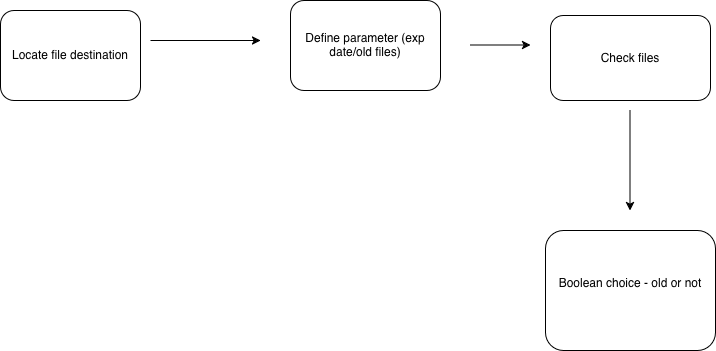
Project: Automated System Hygiene Utility
It’s been noticed that user workstations are slowing down because of bloated Downloads and Temp folders. Let’s build a script that “audits” these folders and cleans up old files.
import os
import time

# 1. Define where the "clutter" lives
target_folder = "C:/Users/Downloads/Temp_Cleanup"
days_limit = 30

# 2. Calculate the "expiry" timestamp
seconds_in_day = 86400
expiration_time = time.time() - (days_limit * seconds_in_day)

# 3. The Logic Loop
def run_hygiene_audit():
    print(f"--- Starting System Hygiene Audit for: {target_folder} ---")

    for filename in os.listdir(target_folder):
        file_path = os.path.join(target_folder, filename)

        # Check if it's a file and how old it is
        if os.path.getmtime(file_path) < expiration_time:
            print(f"Action: Archiving old file -> {filename}")
            # In a real scenario, we would use os.remove() or move the file
        else:
            print(f"Action: Keeping recent file -> {filename}")

run_hygiene_audit()
- Modular Design: Created a reusable function (
run_hygiene_audit) so the cleanup logic can be called on different schedules or directories without rewriting code. - Time-Based Logic: Utilized Python’s time and
oslibraries to calculate file ages mathematically, ensuring only truly stale data is targeted. - Safety First: Designed the script to “print” actions first—a common Tier 2 best practice to verify logic before performing permanent deletions on a system.
Technical Breakdown
- Logic Type: Iterative Audit — The script loops through a target directory to evaluate each file individually.
- Safety Protocol: Read-Only Verification — Currently configured to report status to the console to prevent accidental data loss during the testing phase.
- Scalability: Modular Design — The cleanup parameters (file age and path) are stored as variables, making the script easily adaptable for different server environments.
 Rainbow Creative Designs